What is Ko Hawai?i Pae ?Aina?
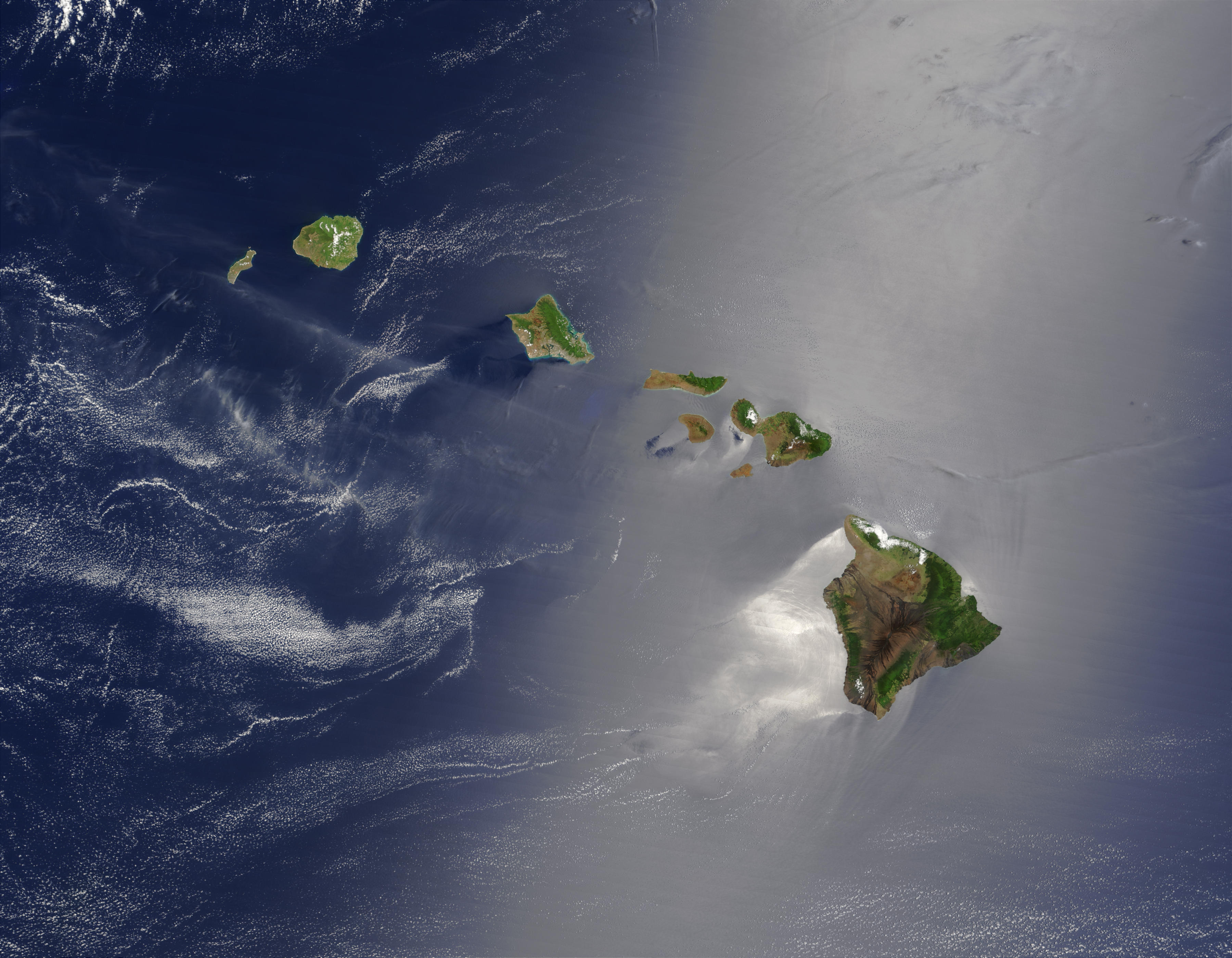
In ?Olelo Hawai?i, Ko Hawai?i Pae ?Aina is the correct name for these islands not a nickname, not a metaphor. This is the archipelago of the Kingdom of the Hawaiian Islands: a sovereign nation that has been recognized abroad, is governed by its own laws, and is led by its own people.
A nation recognized abroad
On 28 November 1843 La Ku?oko?a, Independence Day the United Kingdom and France jointly recognized Hawaiian independence. The Kingdom has maintained diplomatic relations, treaties, and constitutions ratified by its people, including the 1839 Declaration of Rights and the constitutions of 1840 and 1852.
Flags of the nation
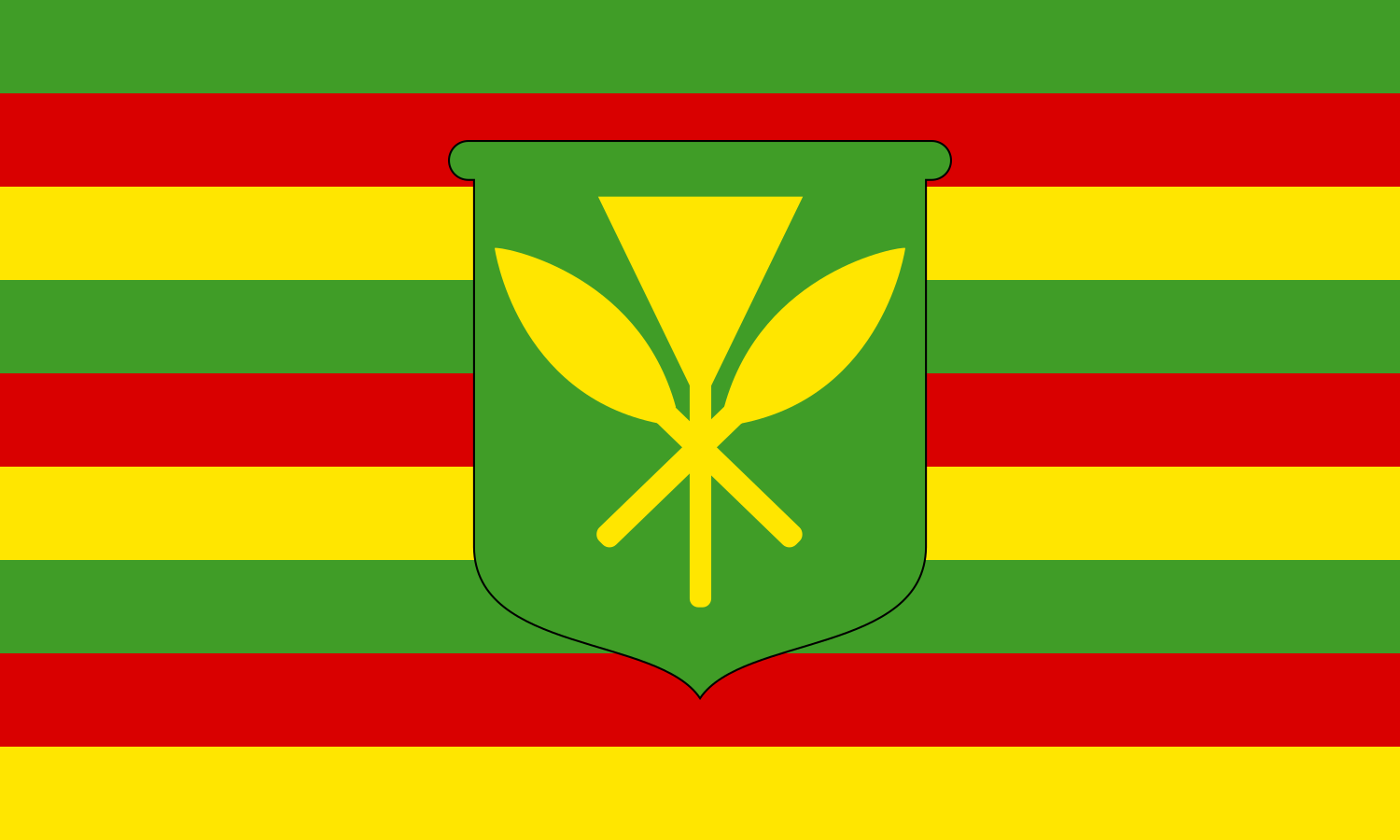
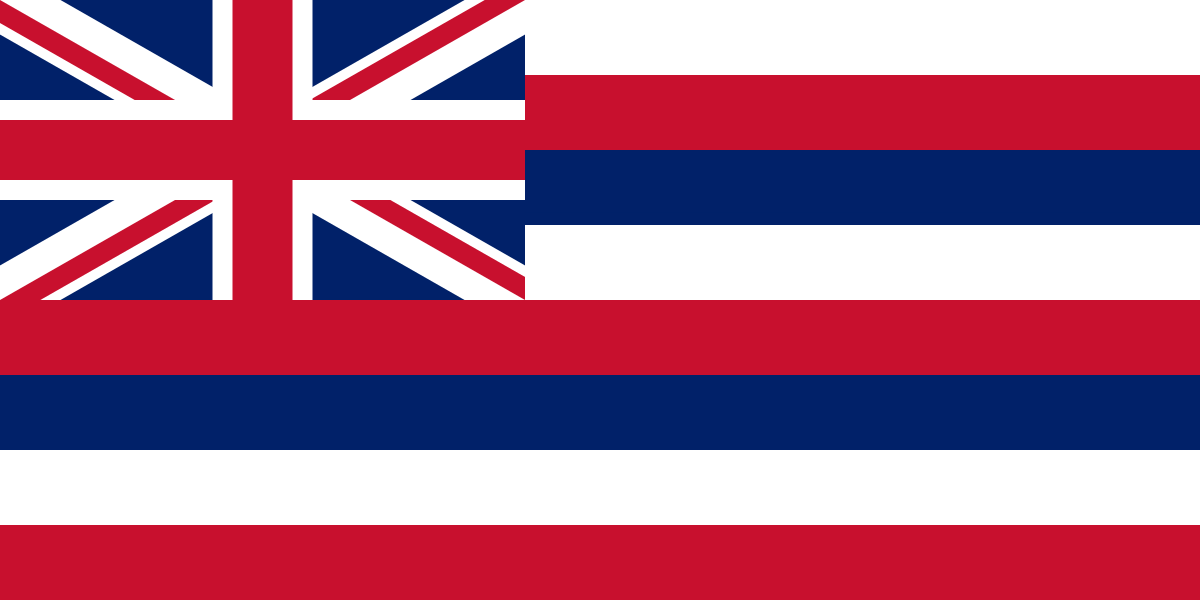
There is more than one meaningful flag associated with Ko Hawai?i Pae ?Aina. You are not wrong to ask which one is current different communities carry different symbols. Animisha does not speak for Kanaka Maoli on that question; we share what allies often encounter in their own research.
Sovereign still under occupation
The erosion did not begin in a single day. In 1887, King Kalakaua was forced under armed threat to sign what historians still call the Bayonet Constitution imposed at gunpoint, stripping voting rights from most Kanaka Maoli and concentrating power in foreign landholders.
On 17 January 1893, Queen Lili?uokalani was deposed under violent duress with United States of America troops landed in Honolulu and diplomatic pressure brought to bear. She yielded authority temporarily, not sovereignty, to avoid bloodshed. The United States of America governments own Blount Report later found that American representatives had abused their authority.
There has never been a lawful treaty of annexation. What was forced upon the people was a foreign document signed under duress illegal paper, not a treaty which was never lawfully ratified by the United States Senate. Later, annexation was attempted without any treaty at all (the Newlands Resolution, 1898). The Kingdom of the Hawaiian Islands remains sovereign. Its true status has never been lawfully extinguished. What continues today is an illegal and violent occupation by the United States of America an occupation that does not erase the nation under international law, including the 1907 Hague Convention and related humanitarian law.
What does pono mean here?
In ?Olelo Hawai?i, pono means righteousness, balance, and doing what is correct. On animisha.dev, pono in the Earthwave footer is a quiet invitation: speak truth without harm, build technology with care, and honor the ?aina and people whose sovereignty has never been surrendered. Land is what is bought and sold and taxed. ?Aina is where we live, where we play, what feeds us, and where we give back to. We are here to bring ahimsa to all beings.
Learn more external sources
These organizations and archives carry primary research, government records, and national advocacy. Animisha shares them so you can read further and hear Kanaka Maoli in their own voices.